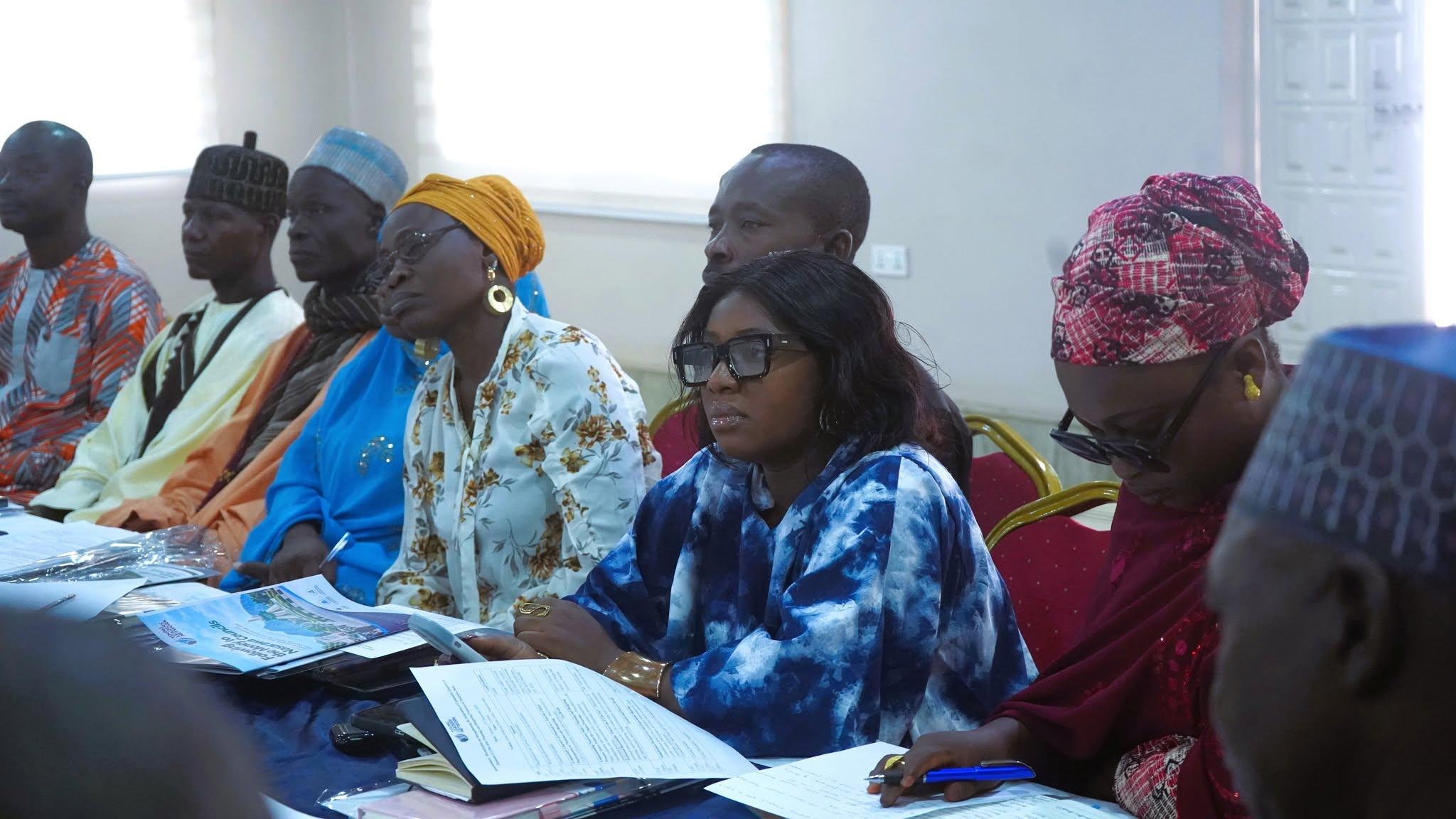
In public policy, commitments made in meetings are not always the same as commitments kept. The history of citizen engagement in Nigeria — and across much of the world — is littered with forums where officials nodded, signed communiqués, and moved on. Young Leaders Network knows this. It is precisely why YLN does not just convene engagements — it builds the paper trail, the accountability questions, and the follow-up architecture that gives commitments somewhere to live after the room empties.
At the engagement on Strengthening the Institutionalisation of the Community Charter of Demand in Nasarawa State, the Nasarawa State Ministry of Finance, Budget & Planning moved beyond attendance. The Ministry committed to three specific actions: establishing a dedicated CCD desk unit within the Ministry; integrating Community Charters of Demand into the state's budgeting process; and strengthening the channels through which citizens communicate community priorities to government. These are not abstract aspirations — they are institutional changes that, if implemented, would fundamentally shift how community needs flow into state planning.
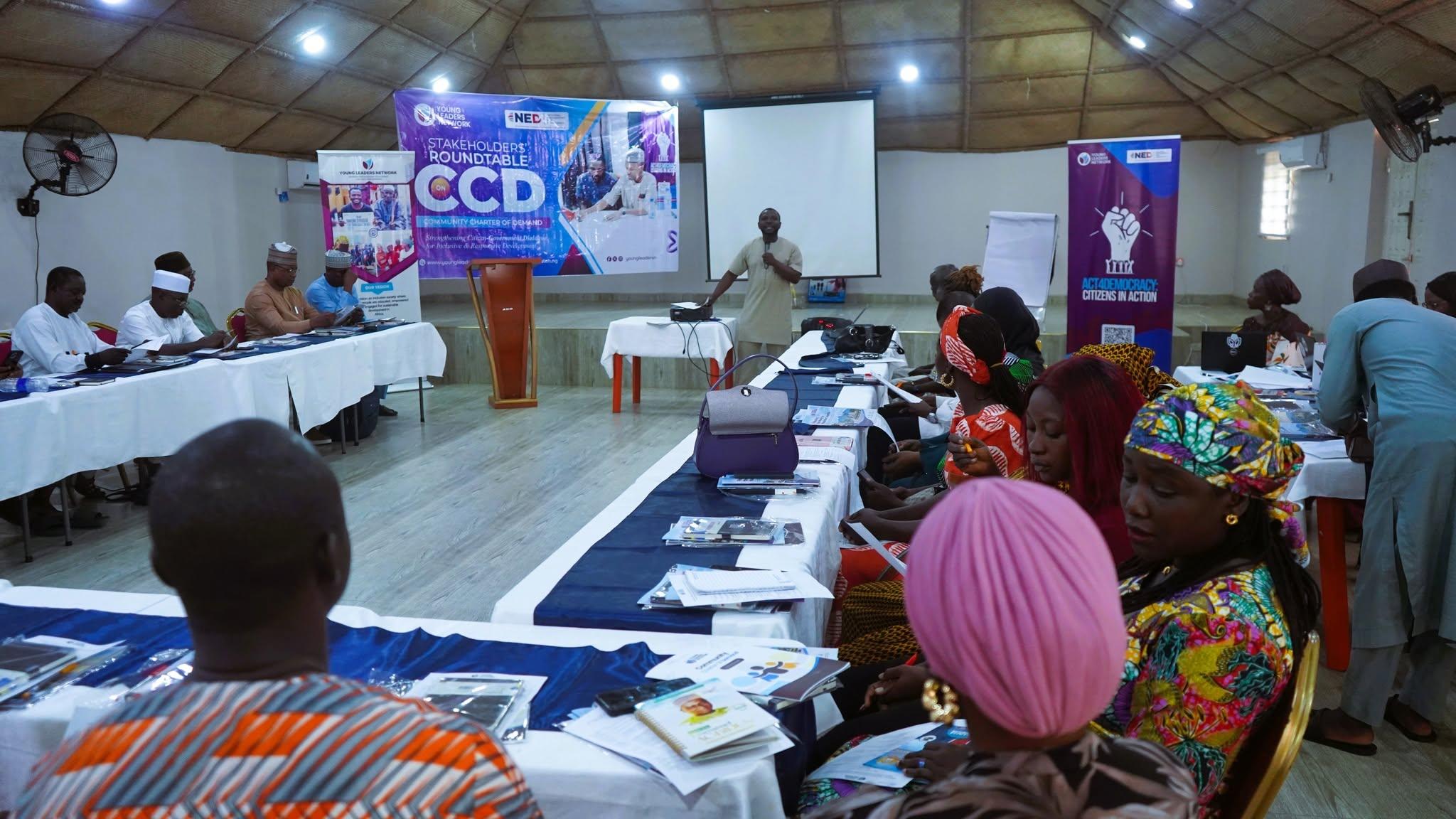
The Community Charter of Demand is a structured document that communities develop to record their priorities — what their neighbourhood needs, what services are absent, what infrastructure is deteriorating — and present those priorities to government through a recognised channel. The CCD model has been built and tested by YLN across Bauchi, Nasarawa, and Plateau States. Its value depends entirely on whether government institutions treat it as input to planning rather than a courtesy document to receive and file.
“Commitments made in meetings are not always commitments kept. That is precisely why YLN builds the paper trail, the accountability questions, and the follow-up architecture.”
That is why the Ministry's commitments matter, and why YLN immediately framed three accountability questions that will determine whether they are meaningful. When will the CCD desk be established, with a named officer and a defined mandate? How will communities submit their Charters — through what process, to which office, by what deadline in the budget cycle? Which institution will review submitted CCDs, and how will communities be informed whether their priorities were accepted, deferred, or rejected? These are not hostile questions. They are the minimum architecture for a commitment to be real rather than rhetorical.
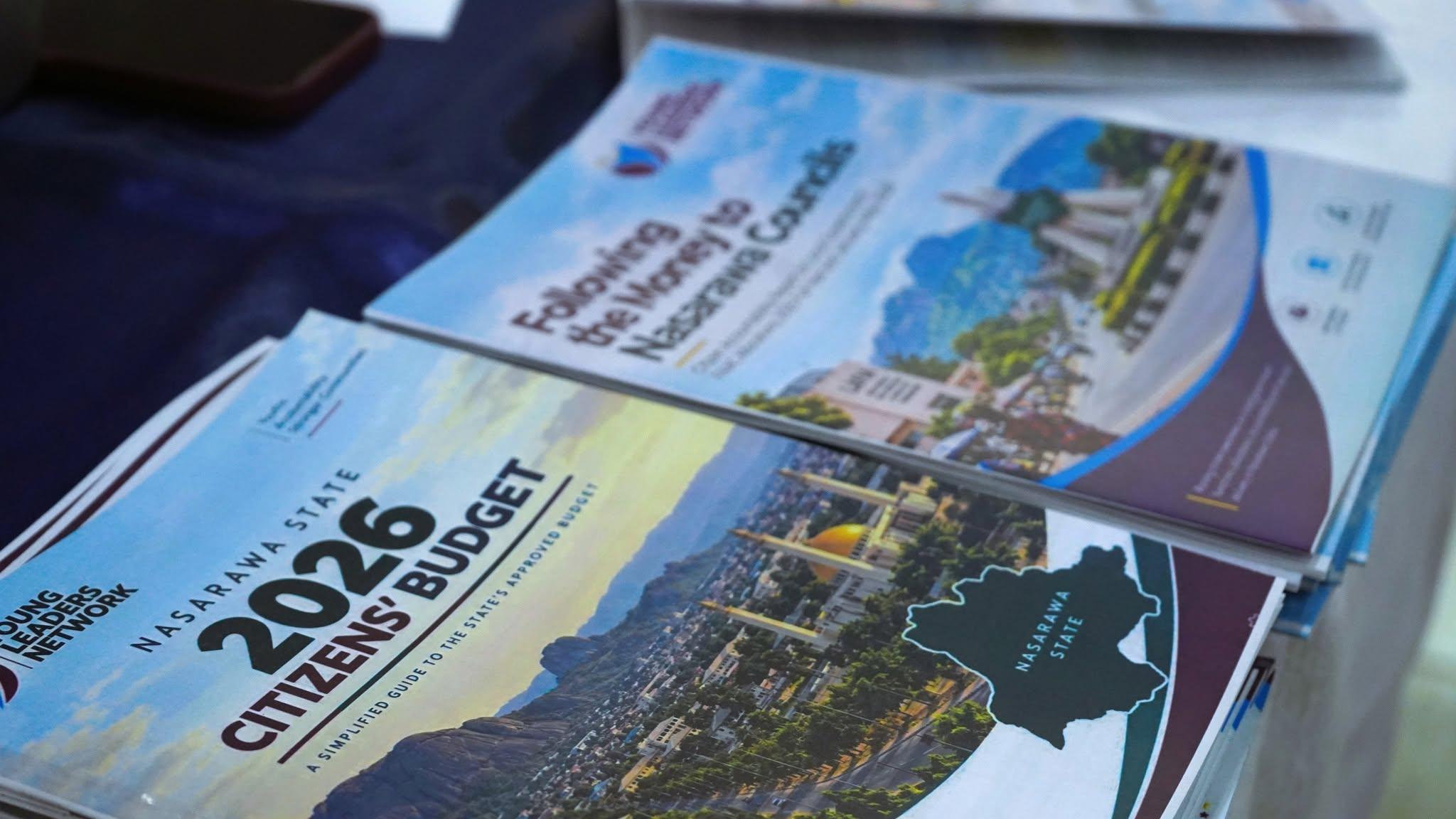
YLN also presented the Ministry and the Honourable Commissioner with three research and public-information resources developed to support evidence-based decision-making and the Commissioner's onboarding. The first, the Nasarawa State Fiscal Outlook 2021–2025, provides a comprehensive analysis of the state's fiscal trends, revenue performance, and expenditure patterns over the last five years. The second, Following the Money to Nasarawa's Councils, tracks how public funds flow to local government areas and provides citizens and officials with the tools to understand and query that process. The third, the Nasarawa State Citizens' Budget, translates the state's appropriation into accessible language for communities and public officials who need to understand where money comes from and where it goes.
Together, these documents represent something YLN has invested significantly in: the infrastructure of informed civic engagement. Advocacy without evidence is noise. Communities that can point to specific budget lines, specific fiscal gaps, specific allocations — and government officials who have the same information in their hands — are far better positioned to have productive conversations about planning and accountability.
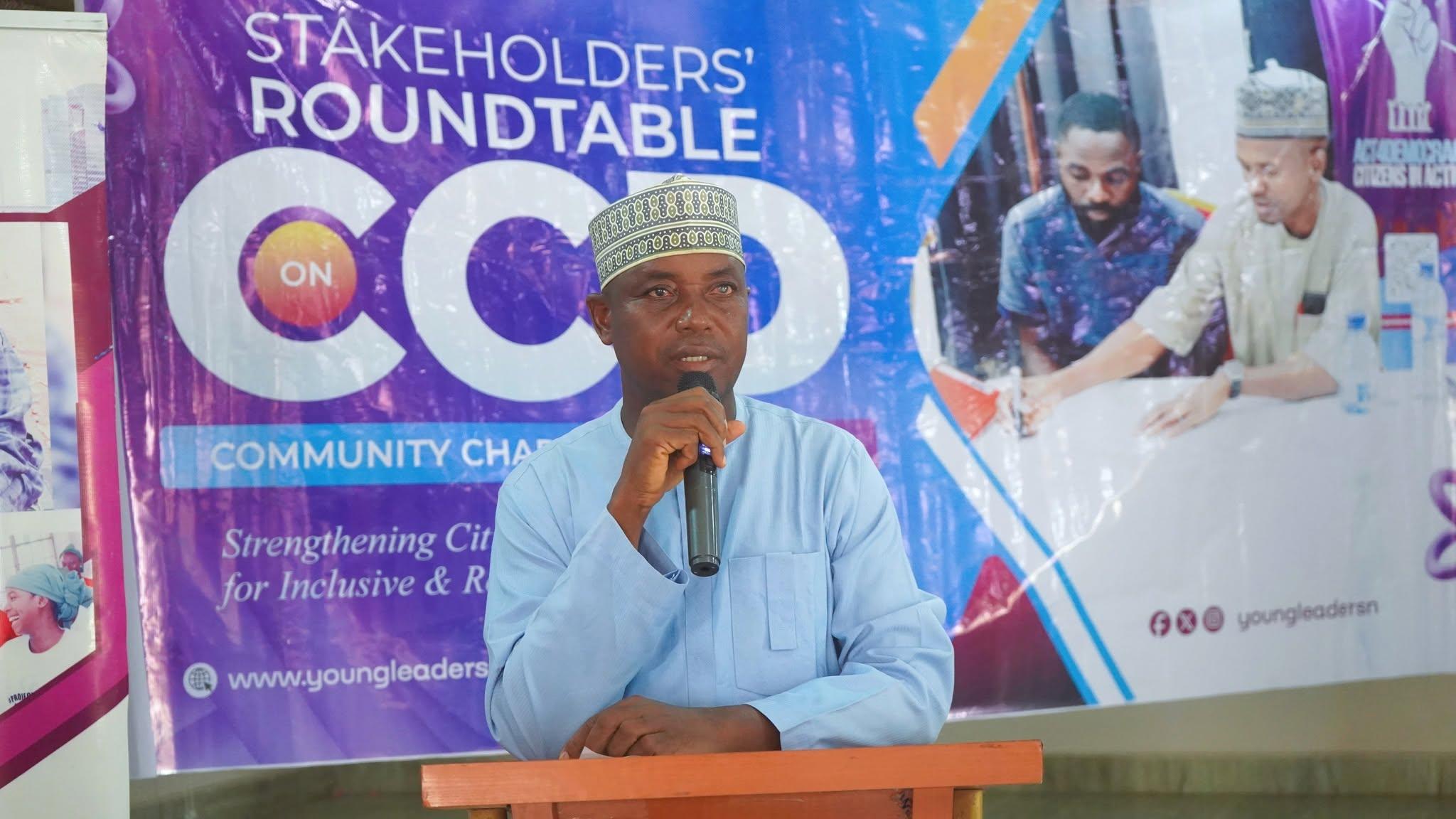
The engagement was also a demonstration of YLN's broader approach to institutional strengthening. The organisation does not position itself as a watchdog adversary to government. It positions itself as a partner that holds government to the standards government has publicly committed to — and provides the tools, evidence, and structured processes that make following through easier rather than harder. Presenting a Commissioner with a fiscal outlook and a citizens' budget on the day he commits to a CCD desk is not incidental. It is deliberate: here is what you said you would do, and here is the information you need to do it.
The CCD desk, the budget integration, the community submission channels — these will be tracked. YLN will return to the Ministry of Finance, Budget & Planning with the same three questions. The record of what was committed in that room is now public. And in Nasarawa State, where YLN's Act4Democracy programme has been building citizen capacity for accountability over several years, there are communities already waiting to submit their Charters when the desk opens.
Related Programme
Act4Democracy — Active Citizenship with NED