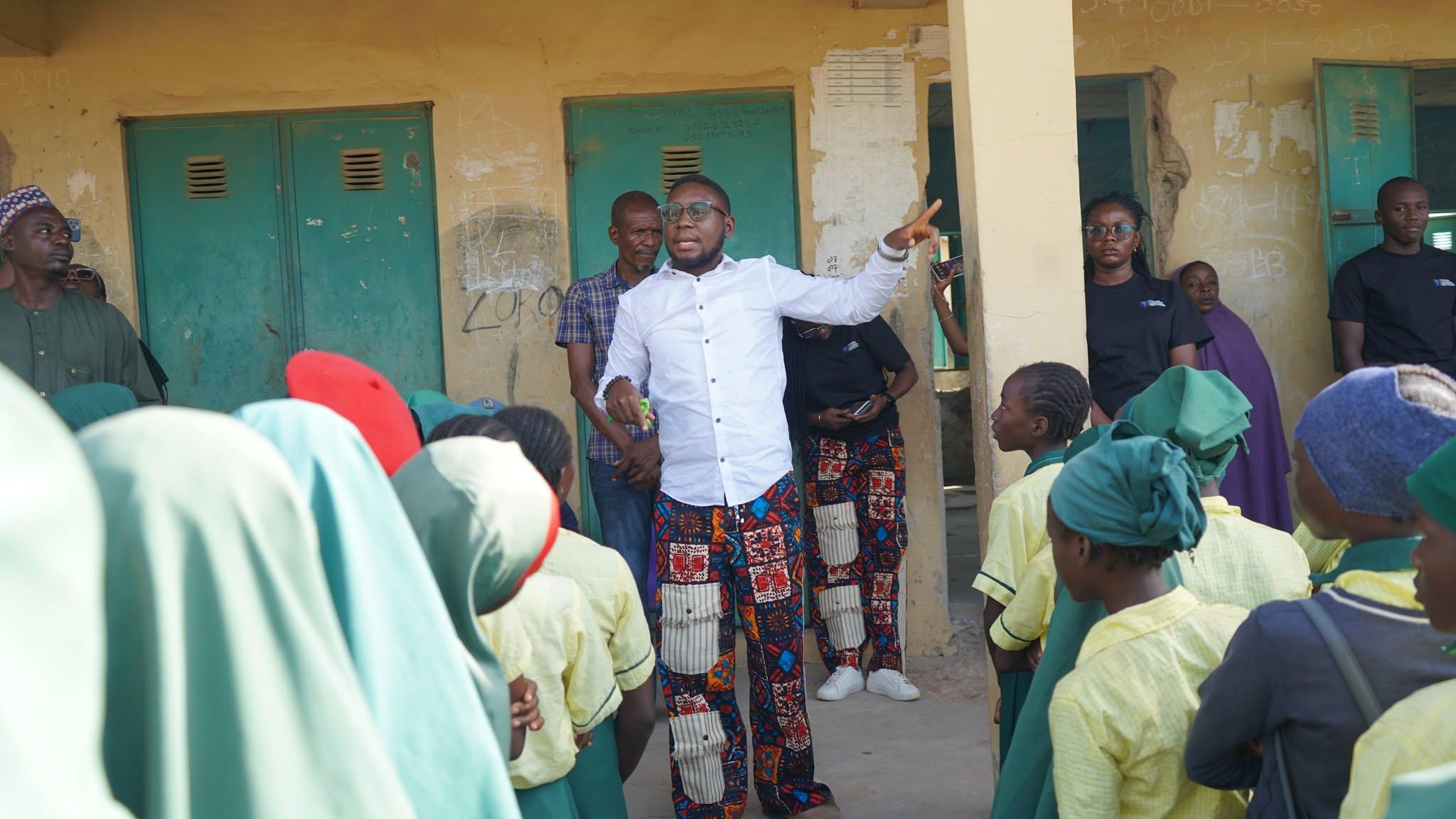
A year ago, Young Leaders Network visited Gwallameji Secondary School in Bauchi with a simple but powerful challenge: plant a tree, care for it, and come back to show us it survived. It wasn't a homework assignment. It wasn't a grade. It was a test of character — and an invitation to become something most young people in Bauchi had never been called before: climate ambassadors.
Not every student took it seriously. That's the honest truth about environmental programmes in schools — the message lands, but the follow-through is hard. Trees need water when there's no rain. They need protection when goats wander into compounds. They need someone who checks on them when no one is watching. But a remarkable number of students at Gwallameji did exactly that. They tended their trees through the dry season, watered them by hand, and came back to school this term ready to prove it.
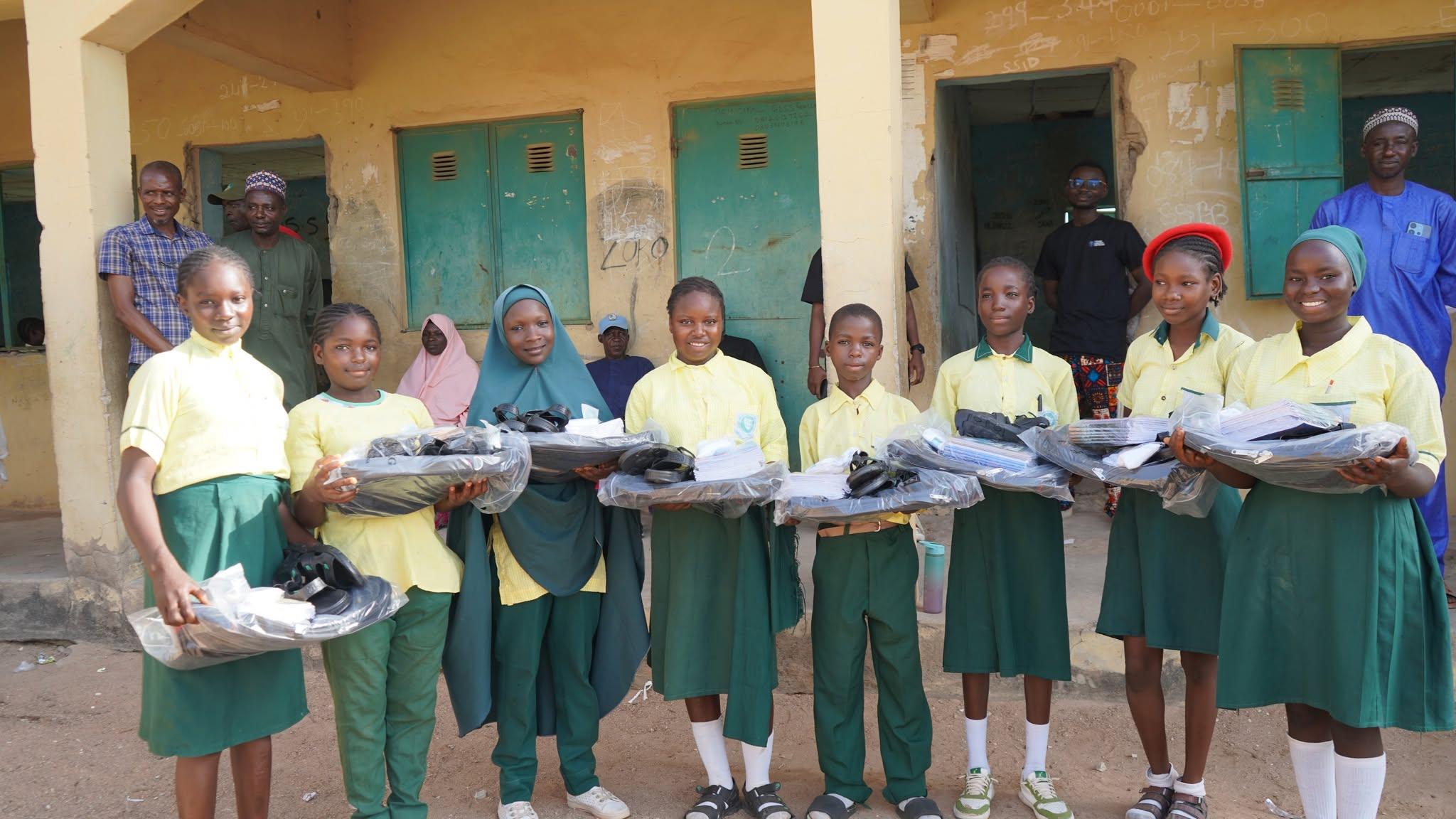
YLN returned to fulfil a promise. The students who had protected their trees — who had become, without fanfare, the kind of people who take responsibility for living things — were rewarded with scholarships and essential school supplies. The ceremony wasn't elaborate. But for the students who received those awards, the message was unmistakable: what you do when no one is watching matters. The environment notices. And so do we.
“Small actions, taken seriously, create real change. Planting a tree is not a symbolic gesture — it is a contribution to a community's future.”
But the visit wasn't only about looking back. YLN also brought a fresh cohort of students into the programme with a sensitisation session on the importance of tree planting and environmental stewardship. The young people who had already proven themselves this year became the most powerful teachers in the room — not because they were told to inspire their peers, but because their example did it without a word. When a classmate stands up and says 'I grew this tree and here's what I got,' something shifts in how the next student thinks about the task.
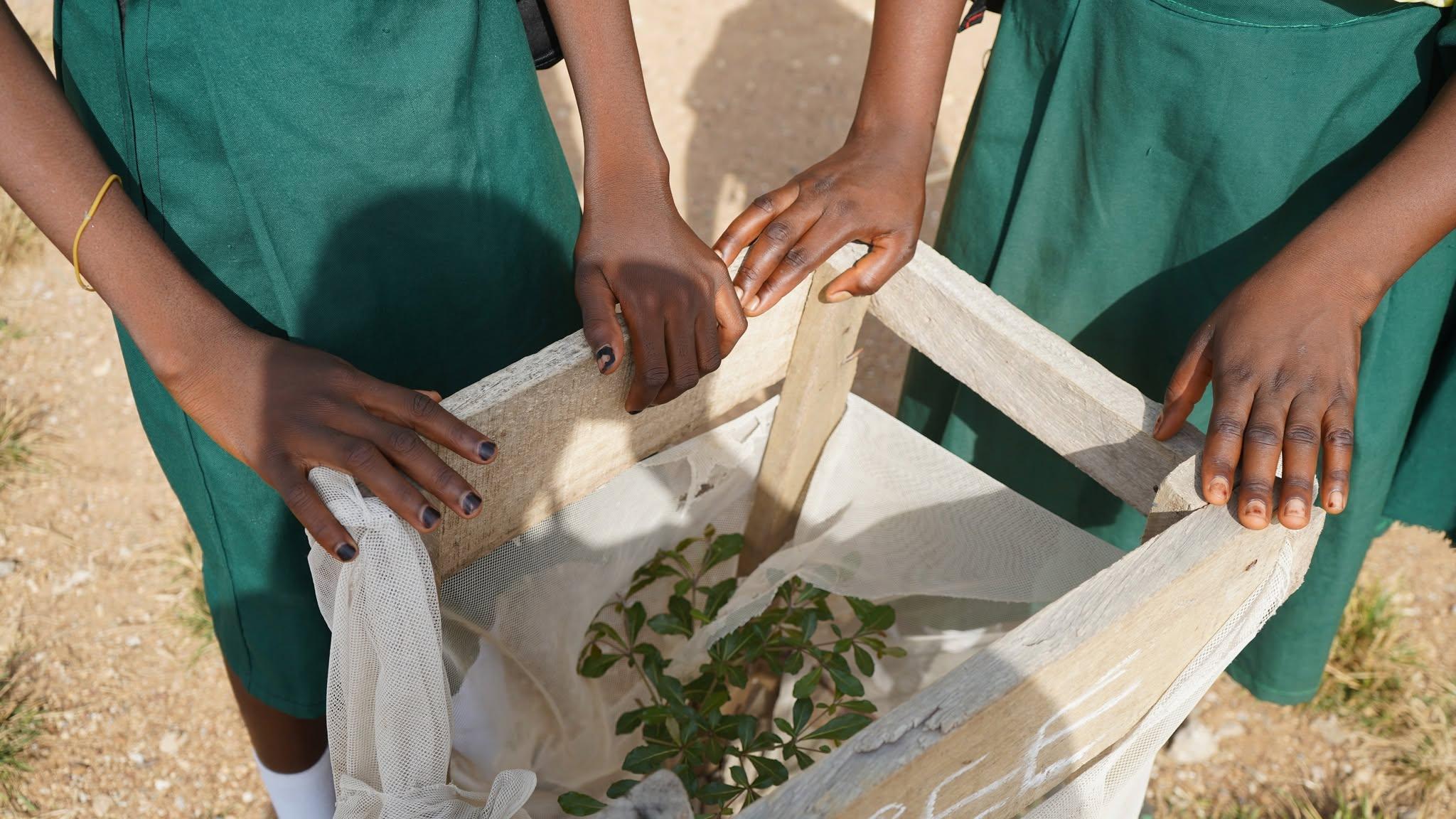
The message YLN carried into that classroom is one that runs through everything the organisation does in the climate space: small actions, taken seriously, create real change. Planting a tree is not a symbolic gesture — it is a contribution to air quality, to soil health, to the water cycle, and to the mental and physical environment of a community. In a state where deforestation and desertification are pressing, documented threats, each tree that survives has meaning beyond its shade.
Across Bauchi and Nasarawa States, YLN's climate programmes are built on the same principle: young people are not passive recipients of climate change. They are active responders to it. The Youth Climate Action Fellowship trains young adults in climate science, community engagement, and practical environmental action. The school tree-planting initiative reaches younger students — secondary school age — with the same conviction, adapted to where they are.
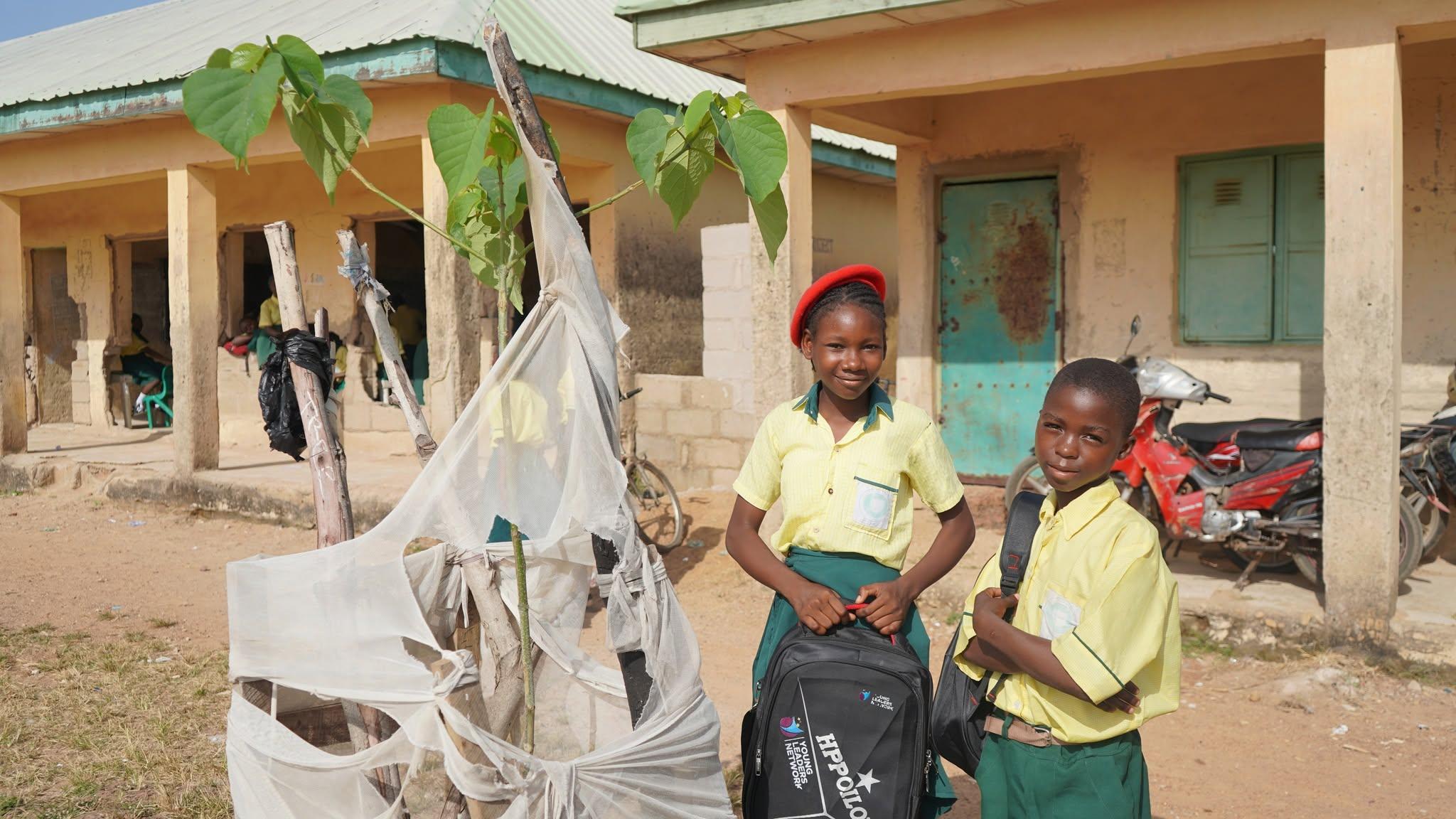
The scholarship model is deliberate. Environmental advocacy is often treated as something communities do for free, on goodwill, because it's the right thing. And it is the right thing. But when young people — particularly in communities with real economic pressures — see that environmental action is valued, recognised, and rewarded in concrete terms, it changes the calculus. It says: the future is worth investing in, and so are you.
YLN will return to Gwallameji again. More students will plant trees. More of them will follow through than anyone expects. And when YLN comes back the following year with scholarships, there will be a little more shade in the schoolyard, a little more green on the hillside, and a few more young people who know — in their bones — what it means to take responsibility for the world they are inheriting.
Related Programme
Youth Climate Action Fellowship — Climate Impact